Empowering Your Journey with Top Holiday Companies for Disabled People
Travelling with mobility challenges or complex health needs often feels completely overwhelming and exhausting. I am Jane, and I created AccessibleTravelling.com because exploring should never feel impossible.
When evaluating holiday companies for disabled people, I realized something incredibly important. The world is not always inaccessible; it is often just poorly explained to us. That is why this independent platform exists to help you travel with true confidence.
Discover Accessibility-Focused Travel Resources
Finding reliable accessibility information requires guidance from experts who truly understand your specific requirements. We feature trusted accessibility-focused travel resources, including Wheel the World, a fantastic global platform. This platform helps travelers access detailed accessibility information for hotels, experiences, and worldwide destinations.
We evaluate various accessible travel providers to ensure your absolute peace of mind. Whether you use a wheelchair or travel with an assistance animal, you belong here.
Expert Advice Every Step of the Way
AccessibleTravelling.com provides clear information, honest advice, and practical checklists tailored to real conditions. We understand that finding the right holiday companies for disabled people can be a significant effort. Our resources remove barriers, ensuring your travel feels completely empowering rather than physically exhausting.
Here you will find:
- Honest accessibility breakdowns
- Travel rights guidance
- Packing lists tailored to real conditions
- Confidence-building resources
My personal goal is to advocate for better global standards and to become your trusted tourism voice.
Holiday Company for Disabled People
Your Ultimate Resource for Travelling as a Disabled Person
Honest advice. Real experience. Practical guidance.
Whether you use a wheelchair, live with a chronic illness, or travel with an invisible disability — this is your trusted space for accessible cruises, hotels, flights, packing guidance and travel rights.
Because accessible travel shouldn’t feel overwhelming.
Here you’ll find trusted information, realistic advice, and the practical details most travel companies forget to tell you.
Comprehensive Destination and Hotel Guides
Our platform offers detailed accessibility information for destinations across the United Kingdom and beyond. If you seek holidays for disabled people in Europe, we provide essential planning insights. We also thoroughly cover North America, popular city breaks, and accessible cruise port destinations.
Our hotel guides feature properties with:
- Roll-in showers
- Transfer space
- Accessible bathrooms
- Lift access
- Verified information
Evaluating specialized holiday companies for disabled people helps ensure you find accommodations that meet your exact needs.
Condition Hub and Travel Rights
We provide specific travel guidance for numerous conditions to ensure your journey is seamless. Our Condition Hub supports individuals navigating:
- Fibromyalgia
- Multiple Sclerosis
- Autism
- ADHD
- Diabetes
- Anxiety
- Various hidden disabilities
Knowing your travel rights is crucial when flying, navigating airports, or managing wheelchair damage. We supply comprehensive information regarding airline responsibilities across the UK, Europe, and the USA. This knowledge helps you navigate holiday companies for disabled people with total legal confidence.
Plan Your Trip with Confidence
Our step-by-step guidance makes organizing your next adventure simple and entirely stress-free.
We cover:
- Choosing accessible destinations
- Arranging accessible transport
- Conducting thorough accommodation research
- Securing proper travel insurance
- Medical preparation and packing guides
Relying on verified holiday companies for disabled people makes this planning phase incredibly straightforward. We help you compare accessible travel providers to find safe, enjoyable trips.
Accessible Cruises and Planning Packages
Our cruise resources cover accessible cabins, shore excursions, embarkation assistance, and mobility equipment management. We serve as a one-stop shop for travel ease and disability-specific travel planning. Working with specialized holiday companies for disabled people guarantees your maritime journey runs completely smoothly.
We offer tailored planning services to suit your requirements:
Join me at Accessible Travelling, where every journey is made easier with the right advice and resources.
Understanding Disability and Societal Barriers
Disability refers to physical, mental, intellectual, or sensory conditions that interact with societal barriers in daily life. These barriers hinder full participation in society on equal terms, significantly impacting daily functioning.
Understanding different disability models is crucial:
- Medical Model: Traditionally focuses on individual treatment or cure.
- Social Model: Views disability as a result of societal structures requiring accessibility improvements.
Choosing inclusive travel partners helps dismantle these persistent environmental barriers to travel across the globe.
Key Aspects of Human Diversity
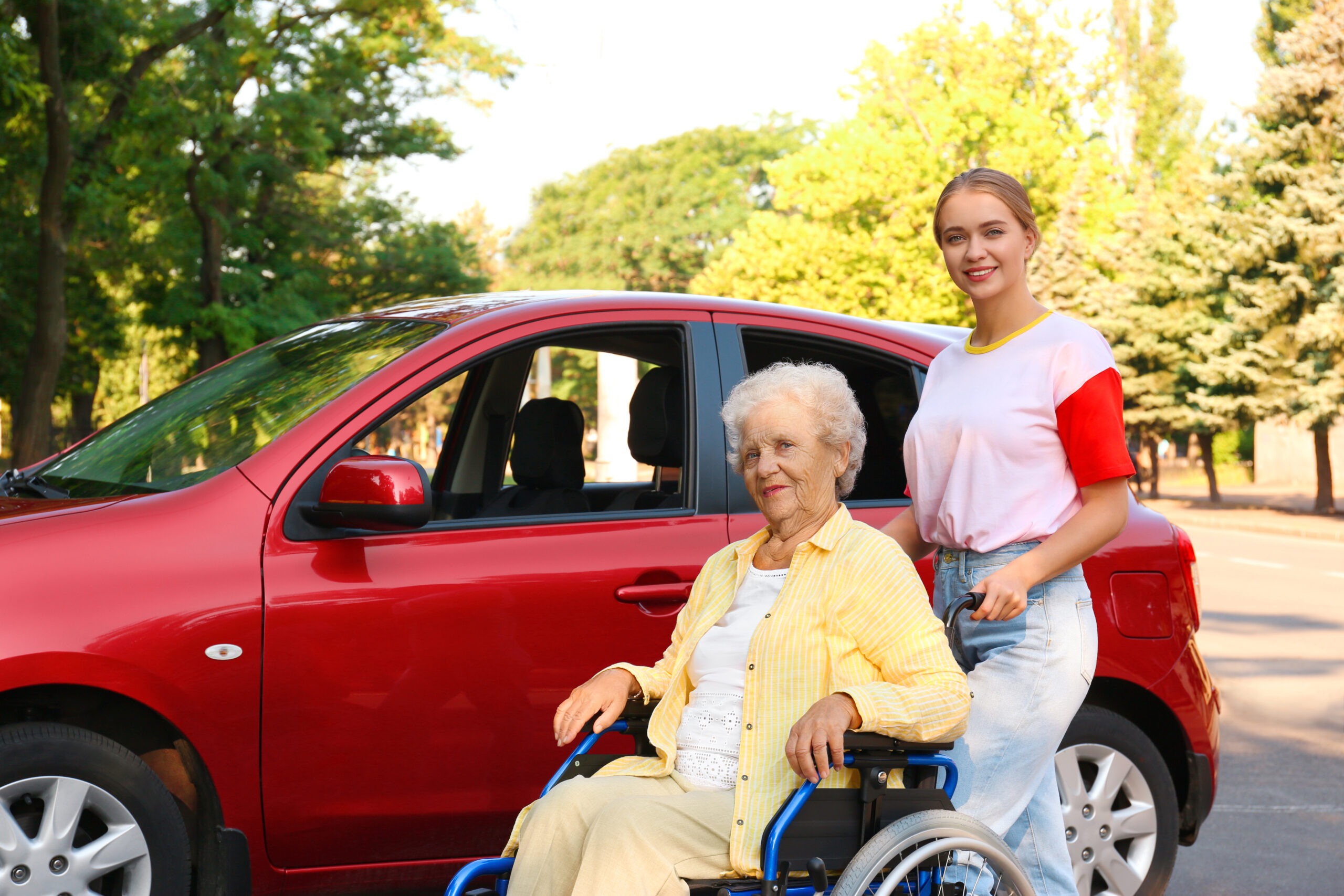
People with disabilities are a highly diverse group shaped by age, gender, and race. Conditions can stem from health issues, but are significantly worsened by inaccessible buildings or transport. Some conditions are present from birth, while others are acquired.
Terms like “Disabled person” emphasize shared experiences, though individual preferences naturally vary. Programs like Social Security Disability Insurance (SSDI) provide essential financial aid for those unable to work.
Contact Accessible Travelling for more information.
Best Places for Vacation/Holiday for Disabled People
Where is the best place to vacation for disabled people?
Best Places to Travel with Limited Mobility
- National Parks (US and Canada) Many of America’s National Parks Are Excellent Options for Travel for Elderly and Disabled Adventurers
- New England
- Germany
- Ocean Cruises
- Sydney, Australia
What is Disability
Disability refers to a physical, mental, intellectual, or sensory condition that, when interacting with societal barriers (like inaccessible environments or negative attitudes), hinders a person’s full participation in society on equal terms, impacting daily activities and functioning, with definitions varying from medical models (focusing on cure) to social models (focusing on removing societal obstacles). It’s a fundamental aspect of human diversity, affecting around 16% of the global population, and can be present from birth or acquired through illness or injury.
Key Aspects of Disability
- Definition: A long-term impairment interacting with environmental barriers to limit participation
- Scope: Includes physical, sensory (blindness, deafness), intellectual (learning difficulties, Down syndrome), cognitive, and mental health conditions (depression, dementia).
- Cause: Can stem from health conditions but is significantly worsened by societal barriers like inaccessible buildings, transport, or negative societal views.
- Models:
- Medical Model: Views disability as an individual problem needing treatment or cure.
- Social Model: Sees disability as a result of societal structures and attitudes that create barriers, focusing on rights and accessibility.
- Legal Context (e.g., ADA): Often defined as a physical or mental impairment that substantially limits one or more major life activities, granting workplace protections.
- Impact: Affects daily functioning, social participation, health, and can be apparent or hidden.
Understanding Disability Further
- Diversity: People with disabilities are a diverse group, with experiences shaped by age, gender, race, and socioeconomic status.
- Language: Terms like “Disabled person” (capital ‘D’) are used to emphasis shared experiences and political identity, but individual preferences vary.
- Support: Programs like Social Security Disability Insurance (SSDI) provide financial aid for those unable to work due to disability.
Your Ultimate Resource for Travelling as a Disabled Person
Honest advice. Real experience. Practical guidance.
Whether you use a wheelchair, live with a chronic illness, or travel with an invisible disability — this is your trusted space for accessible cruises, hotels, flights, packing guidance and travel rights.
Because accessible travel shouldn’t feel overwhelming.
Here you’ll find trusted information, realistic advice, and the practical details most travel companies forget to tell you.

Your Ultimate Resource for Travelling as a Disabled Person
Honest advice. Real experience. Practical guidance.
Whether you use a wheelchair, live with a chronic illness, or travel with an invisible disability — this is your trusted space for accessible cruises, hotels, flights, packing guidance and travel rights.
Because accessible travel shouldn’t feel overwhelming.
Here you’ll find trusted information, realistic advice, and the practical details most travel companies forget to tell you.
Embrace the Joy of Accessible Travel
Expert Advice Every Step of the Way
AccessibleTravelling.com is your independent guide to accessible cruises, hotels, airports, shore excursions, travel rights and disability-specific travel planning, from understanding travel restrictions and visa requirements, to navigating new Regulations.
Traveling without Limits
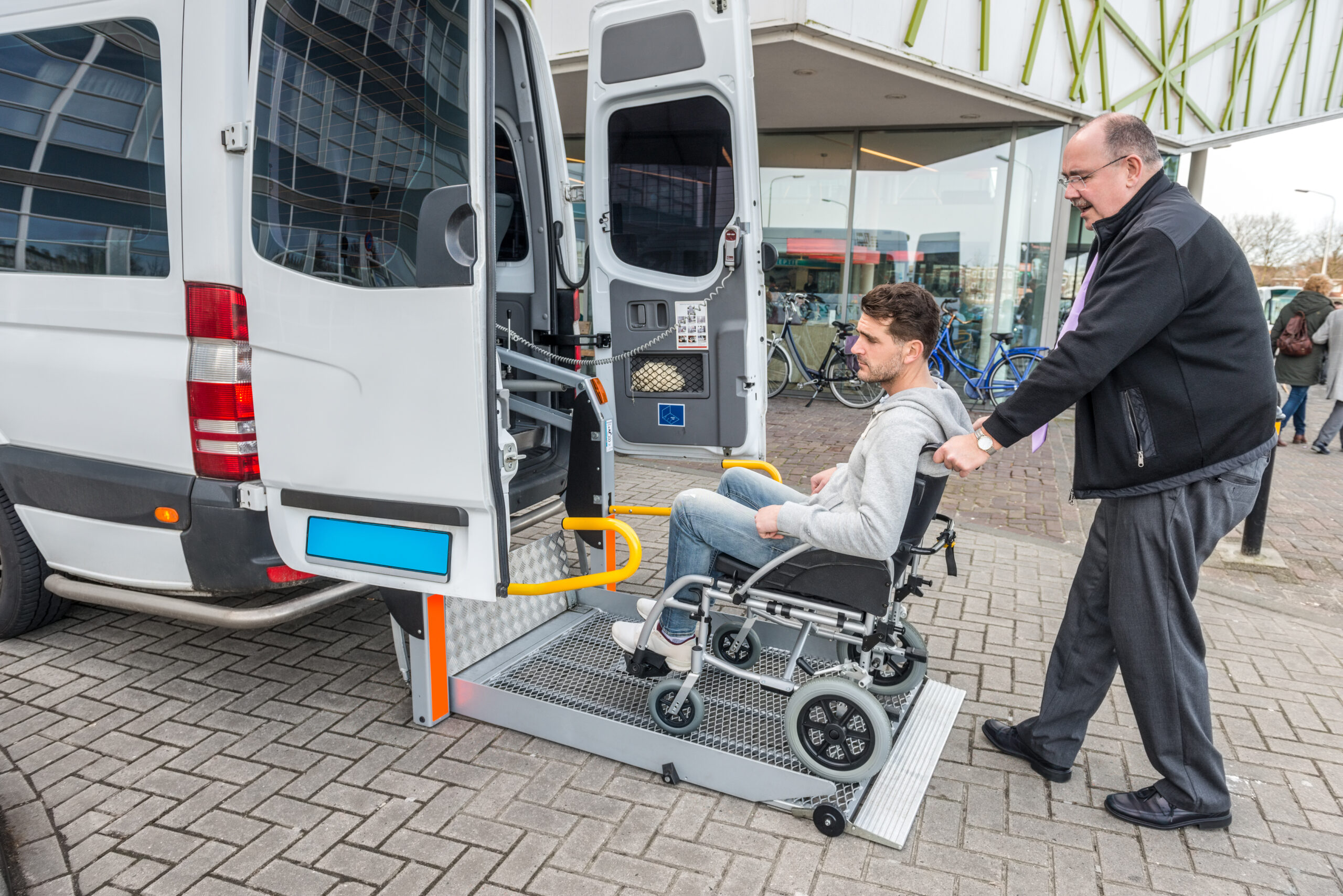
Having a disability shouldn’t stop you from seeing the world. I’m here to give you advice and support so you can travel with confidence. With clear instructions and useful tips, I’ll help you with every part of your trip, from planning and packing to booking places to stay. You’ll find the help you need for a great travel experience.
A One-Stop Shop for Travel Ease
I’m crafting a one-stop shop filled with all the essential information you need. This includes comprehensive travel item lists to ensure you don’t miss a thing, precise airport instructions, and strategic holiday planning tips. Accessible Travelling is designed to save you time and effort, giving you the freedom to focus on enjoying your travels.
Join me at Accessible Travelling, where every journey is made easier with the right advice and resources.
Contact Accessible Travelling for more information.
Best Places for Vacation/Holiday for Disabled People
Where is the best place to vacation for disabled people?
Best Places to Travel with Limited Mobility
- National Parks (US and Canada) Many of America’s National Parks Are Excellent Options for Travel for Elderly and Disabled Adventurers
- New England
- Germany
- Ocean Cruises
- Sydney, Australia
What is Disability
Disability refers to a physical, mental, intellectual, or sensory condition that, when interacting with societal barriers (like inaccessible environments or negative attitudes), hinders a person’s full participation in society on equal terms, impacting daily activities and functioning, with definitions varying from medical models (focusing on cure) to social models (focusing on removing societal obstacles). It’s a fundamental aspect of human diversity, affecting around 16% of the global population, and can be present from birth or acquired through illness or injury.
Key Aspects of Disability
- Definition: A long-term impairment interacting with environmental barriers to limit participation
- Scope: Includes physical, sensory (blindness, deafness), intellectual (learning difficulties, Down syndrome), cognitive, and mental health conditions (depression, dementia).
- Cause: Can stem from health conditions but is significantly worsened by societal barriers like inaccessible buildings, transport, or negative societal views.
- Models:
- Medical Model: Views disability as an individual problem needing treatment or cure.
- Social Model: Sees disability as a result of societal structures and attitudes that create barriers, focusing on rights and accessibility.
- Legal Context (e.g., ADA): Often defined as a physical or mental impairment that substantially limits one or more major life activities, granting workplace protections.
- Impact: Affects daily functioning, social participation, health, and can be apparent or hidden.
Understanding Disability Further
- Diversity: People with disabilities are a diverse group, with experiences shaped by age, gender, race, and socioeconomic status.
- Language: Terms like “Disabled person” (capital ‘D’) are used to emphasis shared experiences and political identity, but individual preferences vary.
- Support: Programs like Social Security Disability Insurance (SSDI) provide financial aid for those unable to work due to disability.
The Reality of Mobility Aids
“But I saw you walking…”
Yes, sometimes I can stand for a brief moment. Sometimes I take a few steps or push through intense pain because I must. What you do not see is the dizziness or the exhaustion shutting my body down. You do not see the burning joint pain or the recovery taking several days. You see a wheelchair, but I feel independence and the sheer joy of freedom.
Strength in Accessibility
My wheelchair means:
- I can confidently leave the house
- I can travel and explore
- I can conserve vital energy
- I can avoid physical injury
- I can be present with my family
Not all wheelchair users are completely paralyzed, and not all disabilities are immediately visible. Mobility can be inconsistent, meaning we live in bodies that change on a daily basis. Finding reliable holiday companies for disabled people allows us to live, not just survive. If you see someone stand up from their chair, please do not judge them.
Embrace the Joy of Accessible Travel
Mobility aids never define weakness; they define incredible strength and the desire to explore. Asking for support is the strongest thing a person can do. Join us at AccessibleTravelling.com, where every journey is made easier. We encourage individuals to explore trusted holiday companies for disabled people prioritizing absolute comfort. Get in touch today to start planning an accessible adventure.
#WheelchairAwareness #InvisibleDisability #AccessibleTravelling #DisabilityIsASpectrum